Overview
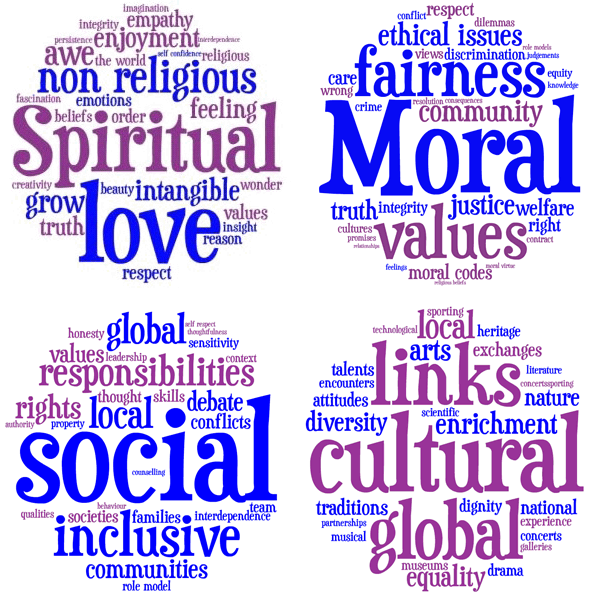
SMSC (Spiritual, Moral, Social, and Cultural development) is a foundational element of the Jamia curriculum and a key focus for entry test requirements. Below is a breakdown of the components detailed in the provided text, along with their significance:
What is SMSC?
SMSC stands for Spiritual, Moral, Social, and Cultural development. Schools in England are required to demonstrate how effectively they support their pupils' growth in these key areas. At Jamia Al-Hudaa, we believe SMSC is integral to fostering well-rounded, responsible, and engaged individuals.
Here's a more concise version of the SMSC components,
Spiritual Development
- Explore beliefs and experiences, respecting faiths, feelings, and values.
- Enjoy learning about oneself, others, and the world, using imagination and creativity, and reflecting.
- Demonstrate the ability to reflect on beliefs (religious or otherwise), show interest in and respect for different faiths, and display a sense of fascination in learning about themselves and the world.
Moral Development
- Recognize right and wrong, respect the law, understand consequences, and investigate moral and ethical issues.
- Show the ability to apply the understanding of right and wrong in their own lives, respect legal boundaries, and understand the consequences of their actions.
- Express interest in moral and ethical issues and appreciate others' viewpoints.
Social Development
- Use social skills, participate in the community, appreciate diverse viewpoints, volunteer, cooperate, resolve conflict, and engage with British values.
- Employ social skills in various contexts, participate in communities, and resolve conflicts effectively
- Accept and engage with British values, developing skills and attitudes to contribute positively to modern Britain.
Cultural Development
- Demonstrate understanding and appreciation of cultural influences and different cultures, and show knowledge of Britain's democratic parliamentary system.
- Employ social skills in various contexts, participate in communities, and resolve conflicts effectively.
- Willingly participate in artistic, musical, sporting, and cultural opportunities, showing respect for different faiths and cultural diversity.
Why It Matters:
Promotes inclusivity, global awareness, and a sense of shared identity in a multicultural society.
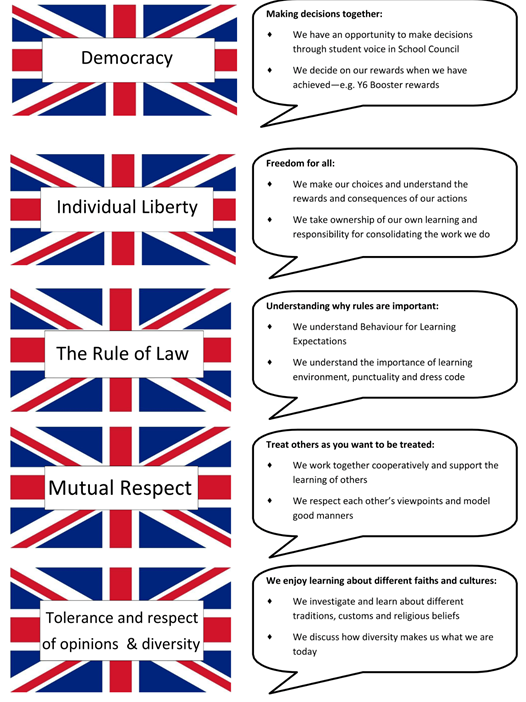
Fundamental British Values (FBV)/Shared Values
Core principles that underpin life in modern Britain. These include:
- Democracy: Understanding and respecting democratic processes.
- The Rule of Law: Respecting civil and criminal laws in England.
- Mutual Respect and Tolerance: Respecting and tolerating different faiths, beliefs, and cultures.
- Individual Liberty: Valuing personal freedoms and rights.
What Must Be Taught?
- Self-Development: Build self-knowledge, self-esteem, and self-confidence.
- Moral Understanding: Distinguish right from wrong and respect the law.
- Responsibility: Encourage students to take responsibility for their actions and contribute positively to society.
- Knowledge of Institutions: Develop respect for public institutions and services in England.
- Cultural Harmony: Foster tolerance and appreciation for diverse cultural traditions.
- Respect for Others: Encourage respect for other people and their beliefs.
- Democratic Engagement: Promote respect for democracy and participation in democratic processes.
Integration into the Jamia Curriculum
- Classroom Activities: Debates, group projects, and discussions on ethical and cultural topics.
- Community Engagement: Volunteering, cultural events, and collaborations with local organizations.
- Assessment: Entry tests and coursework may evaluate students’ understanding of SMSC and FBV through scenario-based questions or reflective essays.
Preparation Tips for Students
- Engage in Discussions: Participate in debates about democracy, diversity, and ethical issues.
- Volunteer: Gain experience in community service to demonstrate social responsibility.
- Explore Cultures: Learn about different cultures, religions, and traditions to broaden your perspective.
- Stay Informed: Follow current events to understand how British values apply in real-world contexts.
These values foster an environment where diversity is celebrated, and they encourage open dialogue and participation in community and political processes. Schools in the UK are mandated to teach spiritual, moral, social, and cultural development, which includes fundamental British values, often integrated into citizenship education.